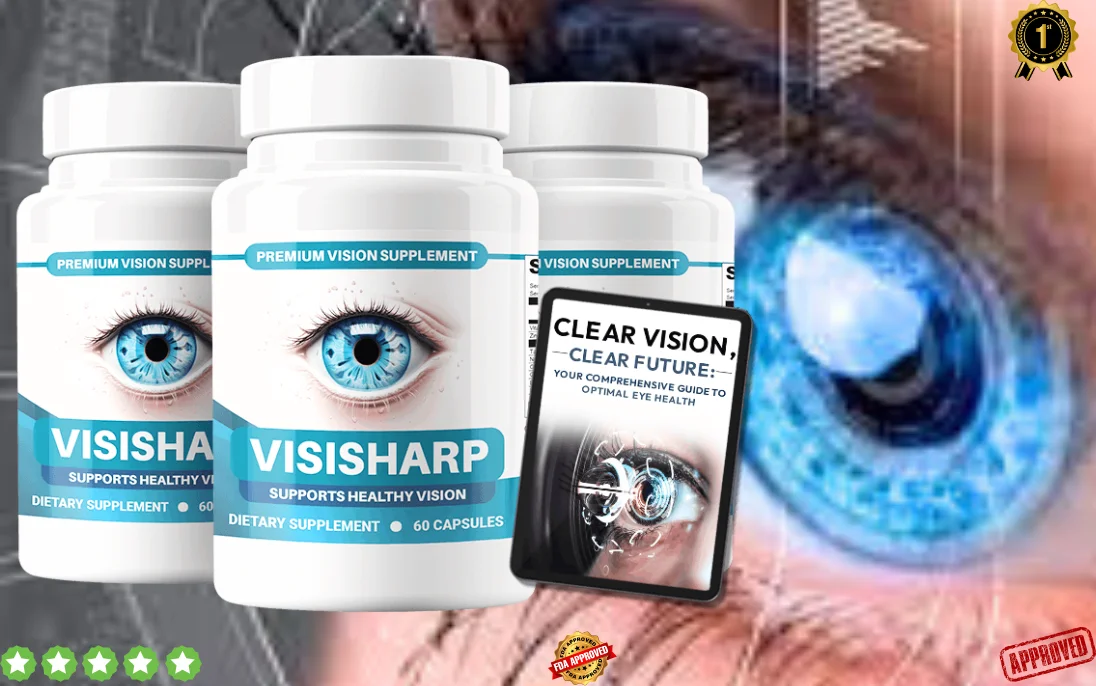






Understanding Sight Care’s formula reveals why it’s among the most comprehensively formulated eye health supplements available. Each ingredient targets a specific mechanism of vision decline — and together, they create a synergistic eye-protection system. Here’s the full science.
Lutein and Zeaxanthin: The Macular Shield
Lutein and zeaxanthin are xanthophyll carotenoids that concentrate in the macula — the central region of the retina responsible for sharp, detailed vision. They function as a biological blue-light filter, absorbing high-energy wavelengths before they can damage photoreceptors. The Age-Related Eye Disease Studies (AREDS and AREDS2) from the National Eye Institute confirmed that lutein and zeaxanthin supplementation reduces the risk of advanced AMD by 25%. Sight Care includes both at clinically relevant doses.
N-Acetyl-L-Cysteine (NAC): The Glutathione Precursor
Glutathione is the most abundant antioxidant in the human lens. When glutathione levels fall — as they do with age and oxidative stress — the lens becomes vulnerable to protein aggregation, the hallmark of cataracts. NAC is a precursor to glutathione and has been shown in multiple studies to slow cataract progression and restore lens transparency when used consistently.
Bilberry Extract: The Circulation Booster
Bilberry (Vaccinium myrtillus) contains anthocyanins that have a specific affinity for retinal tissue. Historical accounts note that British World War II pilots consuming bilberries reported improved night vision. Modern research confirms anthocyanins improve retinal microcirculation, enhance rhodopsin (the pigment that enables night vision) regeneration, and reduce retinal inflammation. Bilberry is one of the most evidence-backed botanicals for eye health.
Eyebright (Euphrasia): The Anti-Inflammatory
Eyebright has been used in European herbal medicine for centuries for eye irritation and inflammation. Modern analysis shows it contains iridoid glycosides and flavonoids with anti-inflammatory properties specifically relevant to conjunctival and corneal tissue. It helps reduce redness, irritation, and the inflammatory component of digital eye strain.
Quercetin: The Broad-Spectrum Antioxidant
Quercetin provides complementary antioxidant protection alongside NAC and carotenoids. In the context of eye health, it specifically inhibits aldose reductase — an enzyme that, when overactive, contributes to diabetic retinopathy and sorbitol accumulation in the lens. For individuals with blood sugar concerns, quercetin provides important ocular protection.
| Ingredient | Benefit |
|---|---|
| Lutein | Macular pigment; blue-light filter; reduces AMD risk |
| Zeaxanthin | Concentrates in macula; protects central vision photoreceptors |
| NAC | Glutathione precursor; slows cataract progression |
| Bilberry Extract | Improves retinal circulation; enhances night vision |
| Niacinamide | Supports optic nerve; reduces intraocular pressure |
| Eyebright | Anti-inflammatory for conjunctiva and cornea |
| Quercetin | Broad antioxidant; inhibits aldose reductase for diabetic protection |
Disclosure: This article contains affiliate links. We may earn a commission at no extra cost to you. This is not medical advice. Consult an eye care professional for vision concerns.